







MUSCAT, APRIL 19
Oman is emerging in a stronger relative position than several of its Gulf neighbours as war-related disruption hits trade, energy and transport links across the region, the International Monetary Fund said in a new regional assessment.
The IMF said the conflict, which began on February 28, has darkened the outlook for the Middle East and North Africa, cutting growth forecasts and disrupting oil production, shipping and air traffic across the Gulf. Regional growth is now expected to slow to 1.4 per cent in 2026 under the Fund’s reference scenario.
But Oman appears to stand apart from some of the economies most exposed to the fallout.
According to the IMF, the closure of the Strait of Hormuz and wider disruption to regional trade have hurt countries that rely more heavily on the waterway for exports and imports.
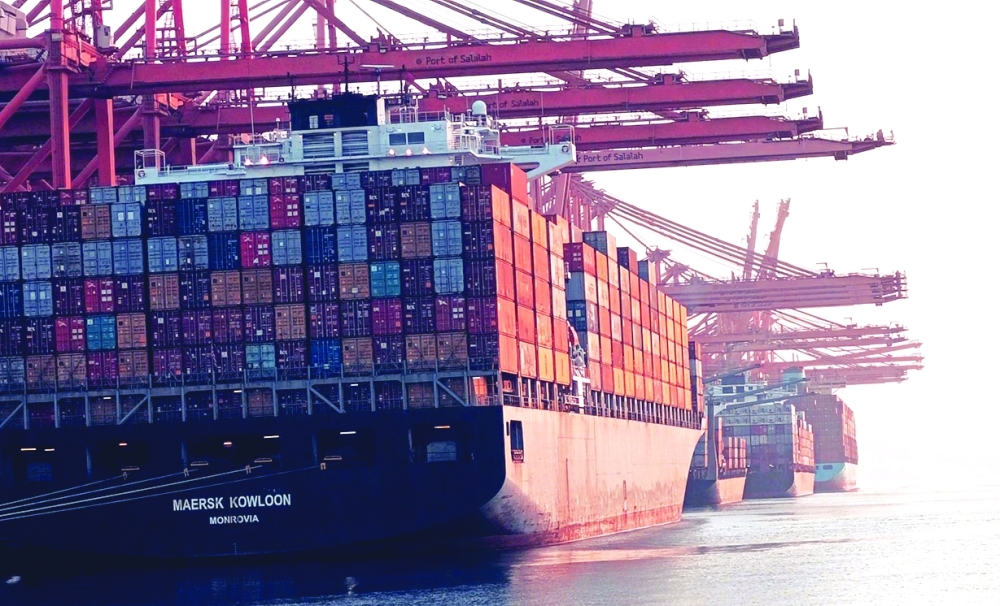
Oman, by contrast, has seen only limited trade and production disruption because its sea access lies fully outside the strait.
That has given the Sultanate of Oman a degree of protection at a time when higher oil prices are lifting revenues. The IMF said the rise in crude prices is expected to improve both Oman’s current account and its primary fiscal balance, setting it apart from some other producers where damaged output and export flows have offset the benefit of higher prices.
The report said Brent crude rose above $100 a barrel after the outbreak of war, while maritime traffic through the Strait of Hormuz fell sharply and energy markets tightened as production and export capacity were hit across several Gulf producers.
Inflation pressures in Oman are also expected to remain comparatively mild. The IMF projects only a small upward revision in inflation for the Sultanate of Oman, around 0.2 percentage points, compared with larger increases elsewhere in the region.
Even so, the Fund stopped short of suggesting that Oman is immune. It warned that a longer or more intense conflict could deepen the damage across the region, weighing further on trade, tourism, logistics and investment, while increasing inflation and financial stress.
For Oman, the report points to a broader reality that could outlast the current crisis: geography is not just a matter of location, but of economic advantage. At a moment when key Gulf routes are under strain, that advantage is becoming more visible.
Oman Observer is now on the WhatsApp channel. Click here


